Project 4

What do you see?

A pottery project about imperfection, burnout, self-perception, and the stories people see when they look closely.

Medium

Pottery / ceramics

Medium

Pottery / ceramics

Year

2021

Location

Singapore

Beneficiary

3Pumpkins / Tak Takut Kids Club

Ceramic cups arranged for What do you see project

Imperfect pieces, honest mirrors

These ceramic cups began as failed pieces from pottery practice. Instead of recycling them before firing, they were kept, glazed, and arranged into a question: what do you see when you look at me? The project became a study of burnout, vulnerability, presentation, and how others can see beauty where we only see flaws.

Different types of imperfections

Imperfect pieces from pottery class for different reasons, but ended up being pieces which people appreciated different aspects, and saw stories in them.

Story exchange

People chose pieces by sharing personal stories, turning the project into a community exchange that organically expanded the stories for the project.

The question before the explanation

Before explaining the pieces, the project asked people to simply look. Their responses became part of the work, revealing how much of perception comes from our own memories, references, and inner lives.

Five ways to read imperfection

I grouped the pieces into clusters that became a different lens on imperfection: tiredness, inner life, chosen presentation, conventional paths, and uncertainty.
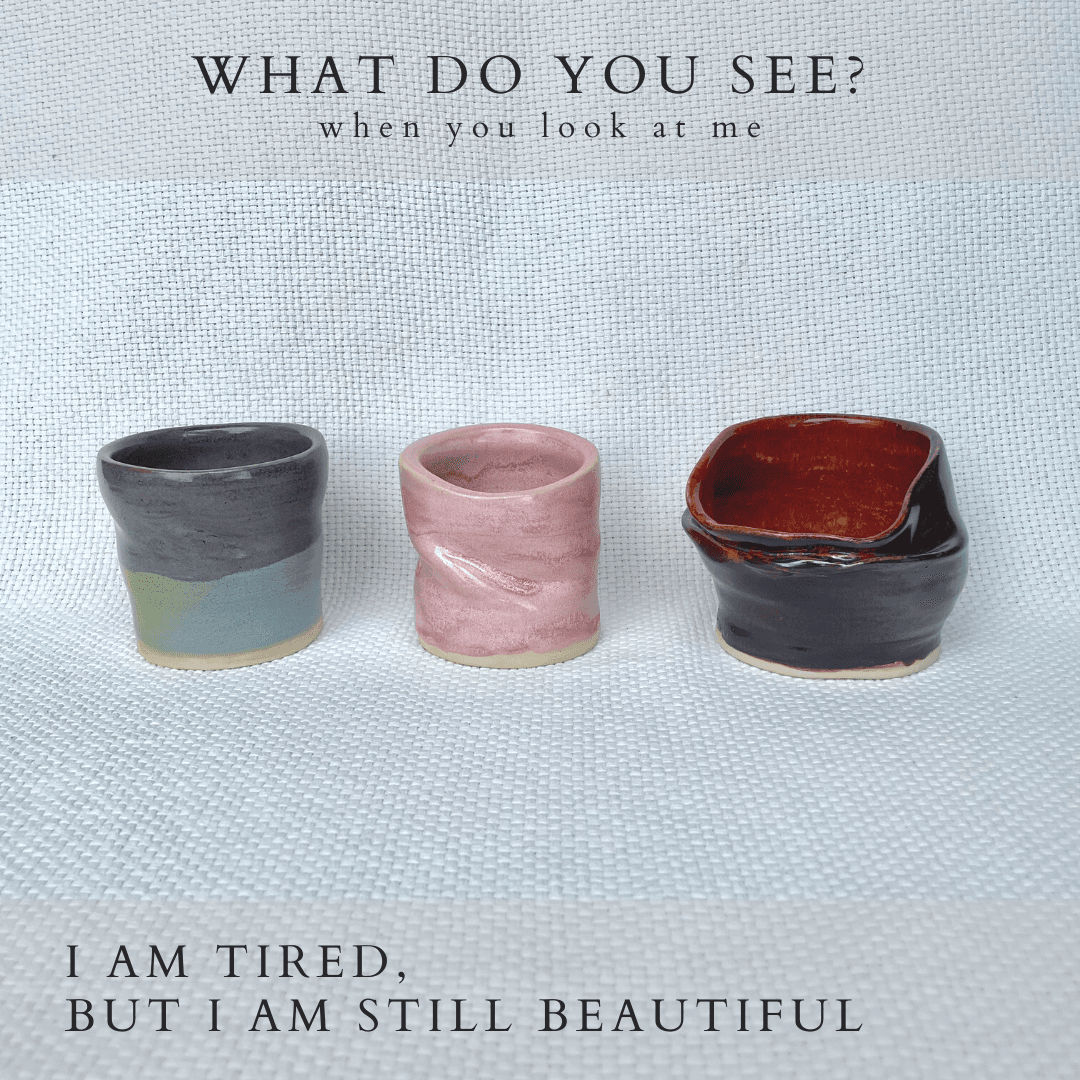
Set 1 The Tired Ones pottery

The tired ones were overworked at the wheel. Their collapsed forms became a reminder to rest, and to believe there may still be beauty after fatigue.

The tired ones were overworked at the wheel. Their collapsed forms became a reminder to rest, and to believe there may still be beauty after fatigue.

Set 2 The Drip Ones pottery

The drip pieces show how outsides can be imperfect while insides shine through — and how others may project entirely different stories onto us.

The drip pieces show how outsides can be imperfect while insides shine through — and how others may project entirely different stories onto us.

Set 3 The Glazed Ones pottery

The glazed pieces explore presentation: what we choose to show, what we protect, and who gets to see vulnerable angles.

The glazed pieces explore presentation: what we choose to show, what we protect, and who gets to see vulnerable angles.

Set 4 The Dipped Ones pottery

The dipped pieces took the most conventional path, yet still carried imperfections — a quiet argument against waiting for perfect certainty.

The dipped pieces took the most conventional path, yet still carried imperfections — a quiet argument against waiting for perfect certainty.

Fifth imperfection variation image

The odd ones out hold uncertainty and difference without trying to smooth them away. They make space for forms that do not fit the expected silhouette.

The odd ones out hold uncertainty and difference without trying to smooth them away. They make space for forms that do not fit the expected silhouette.

Stories in exchange

After the full series was shared, people were invited to bring a piece home by sharing a personal story connected to it. Eleven people responded, each choosing a piece that felt like it held part of their story.

After the full series was shared, people were invited to bring a piece home by sharing a personal story connected to it. Eleven people responded, each choosing a piece that felt like it held part of their story. Photos of each piece (beautifully photographed by my friend, Matin) were printed into a postcard set.

Community story exchange image

Stories collected in exchange

Each response became part of the project’s afterlife: a personal reading attached to one vessel, one memory, and one way of seeing imperfection differently.
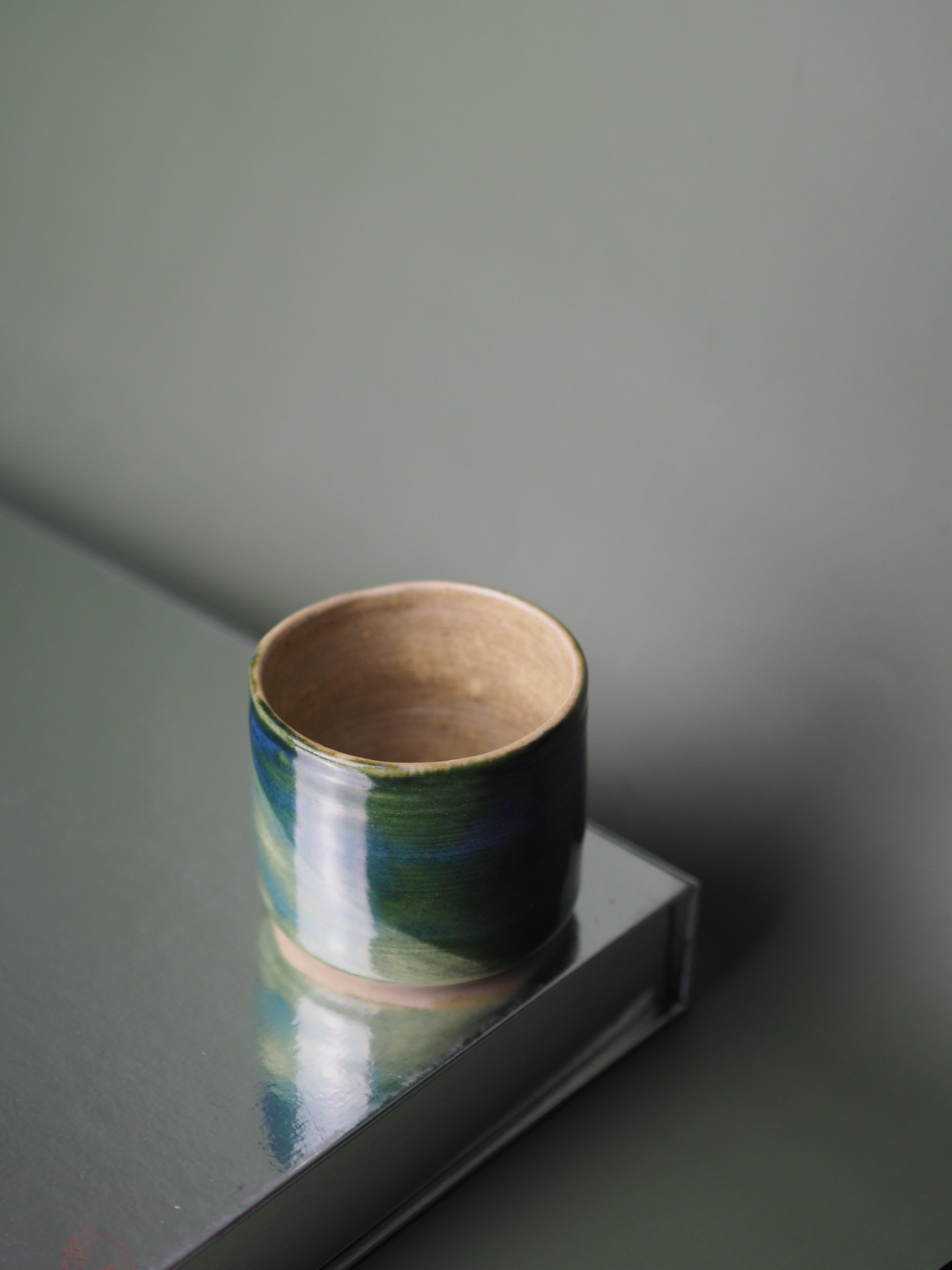
How much does one’s environment shape one’s beliefs?

View story 1

When I was looking at this set of two pieces, it somehow reminded me of my parents.

View story 2

My story is about my changing relationship with my body.

View story 3

I was a fat kid all my life, while my sister was very skinny.

View story 4
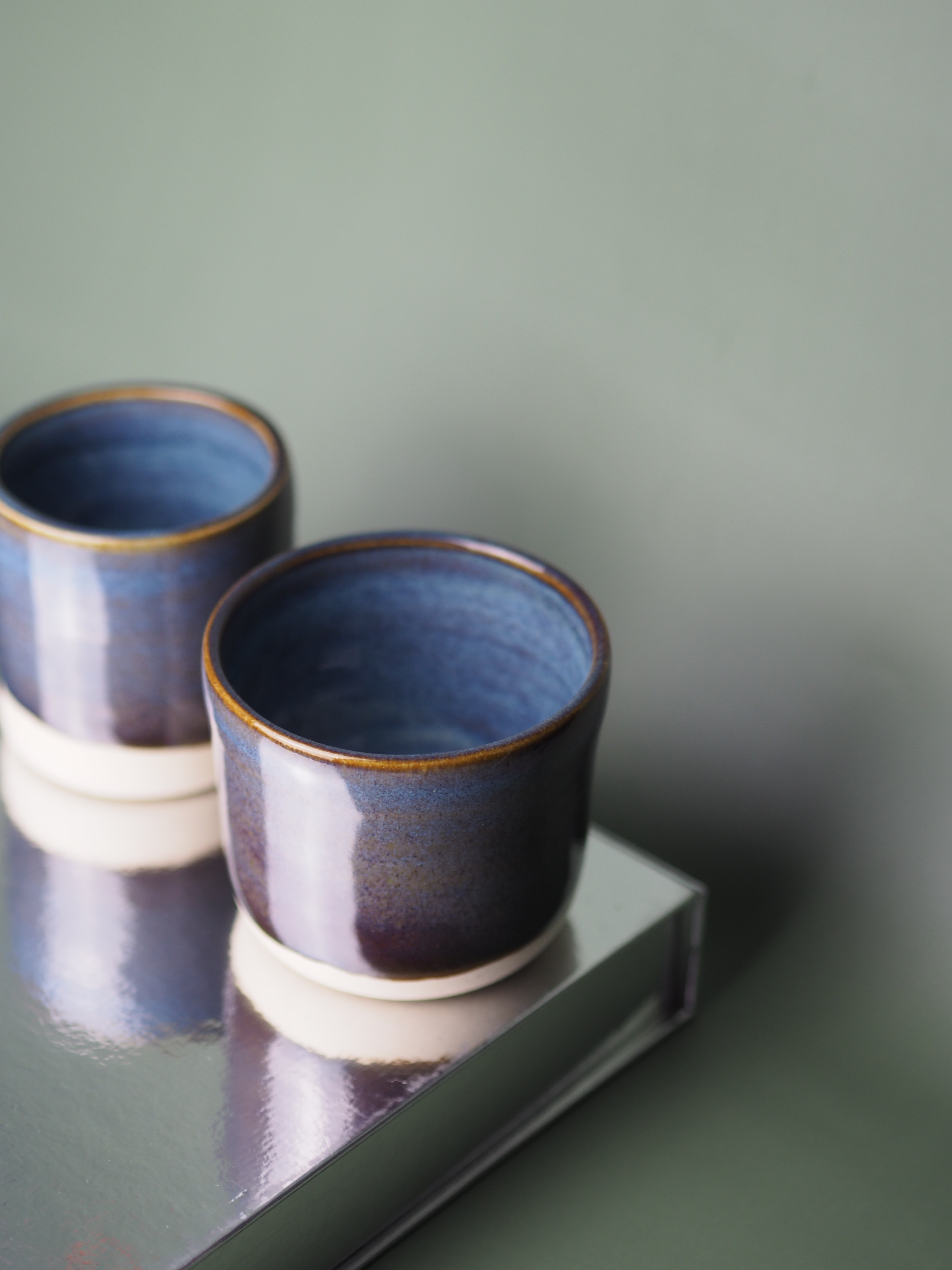
I have been diagnosed with PTSD and anxiety since 2015. But my experience with mental illness goes way back to 2007.

View story 5

Most of the people around me see me as an optimistic, positive person. But…

View story 6

Before I even read that its shape is this way because the clay is tired, I was drawn to it simply because of its irregular and different shape.

View story 7

The vessel reminds me of myself in Singapore. All is good, all is comfortable for many years. Then a sudden change of life events spark the moment of being a rebel.

View story 8

For most of primary school, I struggled a lot socially and academically.

View story 9

Each time a pound of clay is laid on the wheel. We all would remain hopeful and wish it would be our dream creation. However, what we wish may not be God’s plan.

View story 10

My life sometimes appears to be foggy — especially when it comes to making individual decisions in my professional life.

View story 11

What do you see when you look at me?

The project answers its own question by refusing a single answer. Sometimes people see failure. Sometimes they see honey pots, galaxies, resilience, or a younger self worth protecting. Looking closely changes the object — and maybe the viewer too.

The project answers its own question by refusing a single answer. Sometimes people see failure. Sometimes they see honey pots, galaxies, resilience, or a younger self worth protecting. Looking closely changes the object — and maybe the viewer too.

Proceeds of the sale of the postcard sets were donated to 3Pumpkins in support of their Tak Takut Kids Club programme.

Back to projects